 Reviews


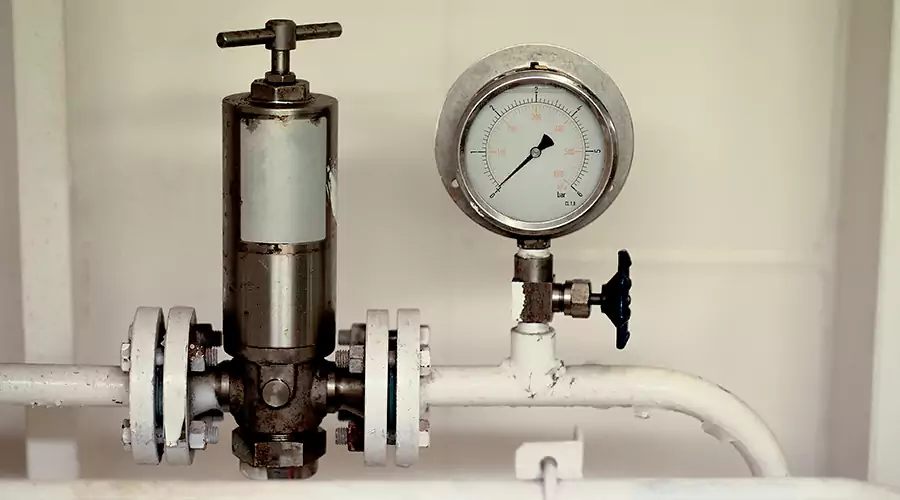
Your shower runs weak, your faucets barely trickle, or your pipes bang loudly every time you turn off the tap. All of these problems connect back to water pressure, and understanding what normal looks like puts you in a much stronger position to protect your home.
Getting familiar with your home water pressure takes about five minutes and costs almost nothing. The peace of mind it brings lasts far longer.
What Is Water Pressure and Why Does It Matter?
Water pressure is the force that pushes water through your pipes and out of your fixtures. Every time you turn on a faucet, flush a toilet, or run the dishwasher, water pressure is doing the work of delivering water quickly and consistently to where it is needed.
Too little pressure and your daily routine suffers. Showers feel weak, appliances take longer to fill, and rinsing anything takes more effort than it should.
Too much pressure creates a different set of problems entirely. Excessive force stresses pipe joints, wears out fixture seals faster than normal, shortens the lifespan of water-using appliances, and contributes directly to leaks and burst pipes over time.
Finding the right balance protects your plumbing system and keeps every fixture in your home performing at its best.
What Is Considered Normal Home Water Pressure?
Residential water pressure in the United States is measured in PSI, which stands for pounds per square inch.
The normal and recommended range for home water pressure is 40 to 80 PSI. Most plumbing professionals and fixture manufacturers consider 50 to 60 PSI the sweet spot for comfortable, efficient household use.
Here is a simple breakdown of what different pressure readings mean for your home:
- Below 40 PSI: Low water pressure that noticeably affects shower strength, faucet flow, and appliance performance
- 40 to 60 PSI: Ideal range for most homes, comfortable for daily use and safe for fixtures and pipes
- 60 to 80 PSI: Acceptable but approaching the upper limit of what most plumbing systems handle comfortably
- Above 80 PSI: High water pressure that puts stress on pipes, joints, and appliances and increases the risk of leaks and water hammer
Knowing where your home sits within this range tells you immediately whether your pressure needs adjustment.
How to Check Your Home Water Pressure?
Testing home water pressure requires no plu mbing experience and takes about two minutes from start to finish.
Picking up a simple water pressure gauge from any hardware store costs between $8 and $15. These small devices thread directly onto a standard hose bib or laundry faucet connection without any tools.
Step by Step
Locating an outdoor spigot or the cold water connection on your washing machine gives you the best testing point. Making sure no other fixtures or appliances are running during the test ensures an accurate reading.
Threading the pressure gauge onto the connection by hand and turning the water on fully delivers an instant reading on the dial. Writing down the number and comparing it to the normal range above tells you exactly where your home stands.
Testing at different times of day provides a fuller picture. Municipal water pressure often fluctuates between morning peak hours and quieter midday periods, and checking at both times reveals whether your pressure is consistently normal or shifting throughout the day.
What Affects Home Water Pressure?
Several factors influence the pressure your home receives and maintains throughout the plumbing system.
Municipal Supply Pressure
Every home connected to a city water supply receives water at a pressure determined by the local utility. Most municipal systems deliver water at between 60 and 100 PSI at the main line, which is then regulated down to a safe level before entering individual homes.
Neighborhoods at the end of a long supply line or at higher elevations sometimes receive lower pressure than areas closer to the water source. Contacting your local water utility company confirms the standard delivery pressure for your specific address.
The Pressure Reducing Valve
Most homes built after the 1980s have a pressure reducing valve installed where the main supply line enters the house. This device steps down incoming municipal pressure to a safe and consistent level for household use.
A properly functioning PRV keeps pressure steady regardless of fluctuations in the municipal supply. A failing or incorrectly set PRV causes pressure that is either too low, too high, or inconsistent throughout the day.
Pipe Condition and Diameter
Older homes with original galvanized steel pipes experience reduced pressure as mineral scale builds up on the inner walls over decades. Narrower pipe openings restrict water flow and drop pressure at fixtures throughout the home, making water line installation a practical long-term solution.
Modern copper and PEX pipes maintain consistent internal diameter over their lifespan and deliver more reliable pressure than aging galvanized lines.
Elevation Within the Home
Water pressure naturally decreases as it travels upward through a multi-story home. Upper floor fixtures typically receive slightly lower pressure than ground floor outlets because of the additional height the water must overcome.
Homes with significant elevation differences between floors sometimes benefit from a pressure booster pump installed on the supply line serving the upper level.
Simultaneous Fixture Use
Running multiple water-using fixtures and appliances at the same time divides available pressure across every active outlet. Peak morning hours when multiple household members shower, run the dishwasher, and use bathroom faucets simultaneously often produce noticeable pressure drops that resolve once demand decreases.
Signs Your Water Pressure Is Too Low
Recognizing the symptoms of low water pressure helps you act before the problem affects your daily routine significantly.
Weak shower flow that does not improve after cleaning the shower head suggests a supply pressure issue rather than a simple fixture problem. Faucets that run slowly even when fully open point in the same direction.
Appliances like washing machines and dishwashers that take longer than usual to complete fill cycles often reflect low incoming pressure rather than a mechanical fault with the machine itself.
Noticeable pressure drops when a second fixture opens elsewhere in the home indicate that your supply line is struggling to meet household demand at its current pressure level.
Signs Your Water Pressure Is Too High
High water pressure causes damage quietly and gradually, which makes it easy to overlook until something fails.
Pipes that bang loudly when faucets or appliances shut off signal water hammer driven by excessive pressure. Faucet washers and toilet fill valves that wear out and need replacement more frequently than expected often suffer from the constant stress of high pressure operation.
Pinhole leaks developing in copper pipes, appliance hoses that fail prematurely, and water heaters that require early replacement all connect to the long-term damage that sustained high pressure causes throughout the plumbing system.
Checking your pressure with a gauge confirms whether high pressure is the underlying cause of these recurring problems.
How to Adjust Your Home Water Pressure?
Increasing Low Water Pressure
Confirming the main shut-off valve is fully open eliminates the simplest possible cause of low pressure before anything else. Cleaning mineral-clogged aerators and shower heads restores pressure at individual fixtures quickly and at no cost.
Installing a water pressure booster pump on the main supply line provides a reliable solution for homes that consistently receive low pressure from the municipal supply. A licensed plumber sizes and installs the pump correctly for your specific household demand.
Reducing High Water Pressure
Locating the pressure reducing valve and adjusting the setting downward brings excessive pressure into the safe operating range. Turning the adjustment screw counterclockwise reduces pressure gradually until the gauge reads between 50 and 60 PSI.
Homes without a pressure reducing valve benefit greatly from having one installed. A licensed plumber installs a correctly sized PRV quickly and sets it to the appropriate level for your home, protecting every fixture and appliance connected to the supply system.
How Often Should You Check Your Water Pressure?
Building a simple pressure check into your annual home maintenance routine keeps you informed about changes before they develop into problems.
Checking pressure once in spring and once in late fall covers the periods when municipal supply pressure tends to shift most noticeably. Recording the readings each time you check creates a useful history that highlights gradual changes in your system over the years.
Any sudden change in pressure, whether a sharp drop or an unexpected spike, warrants an immediate check and a call to a licensed plumber if the cause is not immediately obvious.
When to Call a Licensed Plumber?
Handling a basic pressure test and cleaning individual fixtures is something every homeowner can manage confidently. Professional help becomes the right call when:
- Pressure is consistently outside the normal range with no obvious cause
- The pressure reducing valve needs adjustment, repair, or replacement
- A pressure booster pump requires professional installation
- Old galvanized pipes are restricting flow and need repiping
- Sudden pressure changes point to a hidden leak or a municipal supply problem
A licensed plumber carries professional grade pressure testing equipment, understands local code requirements for residential water pressure, and provides a complete diagnosis that goes beyond what a basic gauge reading reveals.
Summary
Normal home water pressure sits between 40 and 80 PSI, with 50 to 60 PSI representing the ideal range for comfortable daily use and long-term plumbing health.
Checking your pressure with an inexpensive gauge takes two minutes and gives you a clear picture of where your system stands. Pressure that falls outside the normal range affects your comfort, damages fixtures and appliances, and signals a plumbing issue worth addressing promptly.
Simple fixes like opening the main valve, cleaning aerators, and adjusting the pressure reducing valve handle many common pressure problems without professional help. Persistent issues, sudden changes, and anything involving pipe replacement or pump installation call for a licensed plumber with the right tools and experience.